
*This Review Contains Minor Spoilers Regarding The Subject Matter*
The fantasy and adventure genres are a match made in heaven, with the two of them combining to make a plethora of extraordinary stories. Oversaturated as the mixture is, its ability to immerse consumers in a fictional world is unmatched, and that trait has led to the success of narratives since the creation of storytelling. However, few tales fully utilize the unique merits of the genre combination, though some certainly do. Satoshi Mizukami proves as much through his stellar work, World End Solte, a graphic novel both bizarre and brilliant in its approach to artwork and writing. This review of World End Solte will cover the good and the bad of the manga, all to detail what is so good about it and if one should read it.
Conceptual Summary
The titular Solte, an orphaned little girl, loses her place in the world after the closest thing she has to a live father figure betrays her. With no home left to return to, she vows to trek the wacky and dangerous Fiend Realm until she reaches the edge of the world, where she intends to start a new life. Along the way, she hopes to somehow find a way to once again see her deceased parents.
The Good
Art

The initial draw of any manga is its art, and Mizukami doesn’t disappoint in that department. World End Solte has a loose and expressive yet thoroughly detailed look to it, bringing its world and characters to life in an incredibly entertaining way. Everything from fiends to cities is presented with an apparent liveliness to them, and those energetic visuals translate to a quick and clear panel-to-panel pace for the story. Moreover, they keep the graphic novel visually interesting, cultivating reader engagement through deceptive physical complexity. The illustrations aren’t limited to that one superb art style either; in moments of great discovery or impact, the manga employs thick linework and dark shading to portray importance. While this secondary visual approach is seldom utilized, its scarcity causes it to be striking when it pops up, easily drawing attention and thus making the story easier to follow. The marriage of these two looks forms a fun and understandable foundation for its narrative, granting it a potent entertainment factor and an effective pipeline to communicate with readers non-verbally.
Character Writing

The character writing of the manga is something of a literary phenomenon, as very few things are ever outright stated about cast members, and their personality traits are almost exclusively woven into their dialogue and actions. It is rare to see the classic rule “Show, don’t tell” used to such an extreme, and it’s rarer still for a work using that extreme to simultaneously have characters as well-defined as the graphic novel does. Personality, motivations, and beliefs—its cast has all of those things in spades; the figures inhabiting the narrative can draw out emotion and interest readers as a result. While it may not seem like it conceptually, forcing consumers to mainly learn about the characters in bits and pieces instead of through exposition dumps grants the story’s many figures a lot of depth. Due to this writing strategy, Mizukami is able to fill his work with people the audience can care about, be entertained by, sympathize with, etc. It’s an excellent approach to storytelling, yielding great, complex characters that effortlessly engross the reader.
Worldbuilding
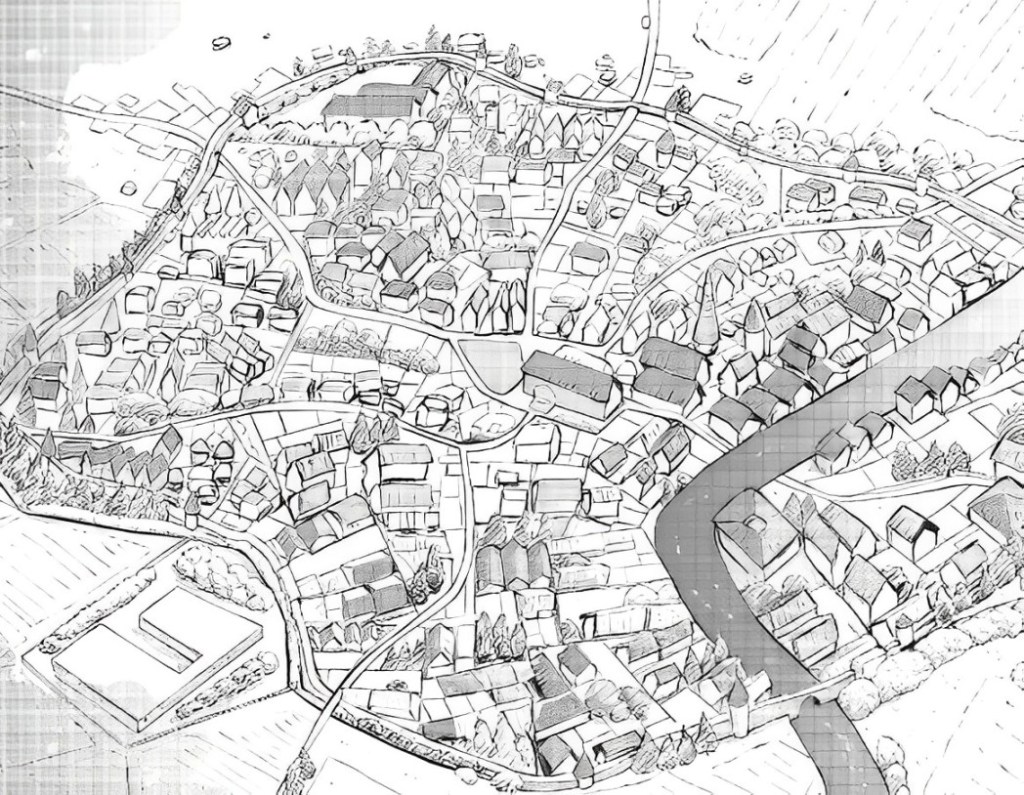
Worldbuilding is the backbone of the fantasy genre, and Mizukami knows that, as World End Solte is set in a wonderfully realized fictional place. The few cities shown in the manga as of now all have clear functions (such as Trud being a hub for salvagers before the journey into the Fiend Realm), and learning about them through those functions allows the locales to feel very digestible. Their role in the world is explained without overwhelming readers, adding to the awe-inspiring feel the story sets out to give them. Furthermore, the bizarre Fiend Realm features an array of locations as well, all of which are strange enough in their design to show just how unpredictable it is. The diversity of the fiends as a race helps out in that regard, with their designs ranging from goofy to truly imposing. The history is expertly done too, being presented in a way that doesn’t feel like it’s halting the main story while also being very relevant. Mizukami managed to make a world that adds to the story while being fascinating in its own right.
The Bad
Narrative Tension

From the way the manga is written, readers are clearly supposed to feel like the main cast will encounter all manner of mortal danger on their adventure, not to mention personal conflicts, but that feeling never truly sets in. While the fun artwork and great character writing of the story easily engage readers emotionally, no event thus far cements a belief or dread that terrible things could happen to key figures. This leads to the graphic novel seriously lacking narrative tension, harming its otherwise high capability to hold its audience’s attention. It can do so in more comedic or fantastically driven plot beats, but in battles or verbal confrontations where the stakes should be at their peak, the absence of well-established danger robs those moments of the tension they need to keep someone’s focus.
So, should one read World End Solte? Absolutely, the manga is overflowing with creative and quality artwork, complete with an expertly written cast and world. It masterfully takes advantage of the engrossing nature of fantastical adventurers to be a very fun read. That said, an absence of truly negative events plagues the story, ruining the narrative tension it sometimes tries to create. This graphic novel is incredible despite that issue, though, and stands as a stellar piece of entertainment. Overall, it’s an 8.5/10 work and should certainly be on any manga buff’s radar.
*The Manga Can Be Purchased through Amazon, Google Play, Barnes & Noble, etc.*
 Entertainment Analytical