
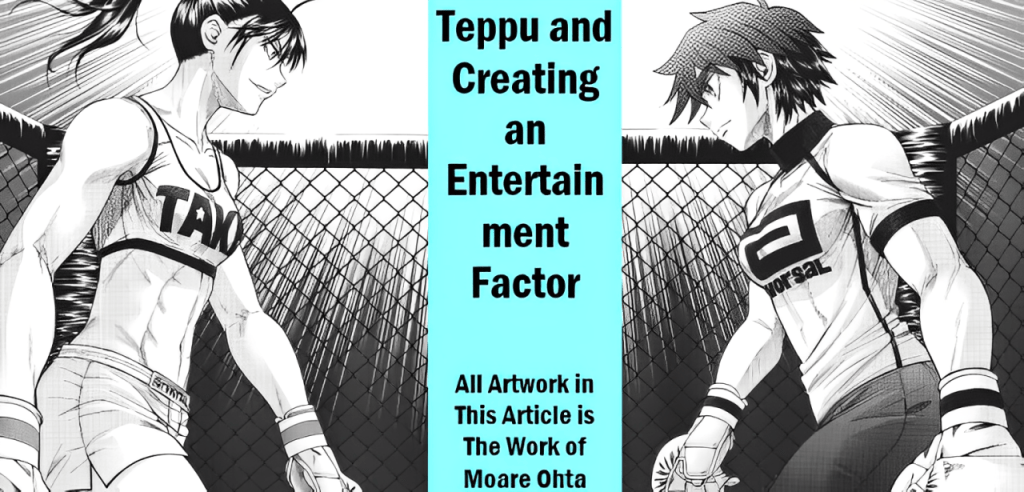
There’s one key reason that people consume media of any form: fun. When people pick up a graphic novel, play a game, or watch a show, they’re often looking to entertain themselves, and thus creating works with a palpable entertainment factor is vital to those works’ success. Finding unique or effective ways to entertain is difficult, though, and even the most skilled creators can struggle to do so throughout a work, but those who pull off the feat produce some excellent pieces of media. Moare Ohta is one of those few; his incredible manga Teppu never fails to be fun. Analyzing how he used artwork, dialogue, and action to give it such a strong entertainment factor reveals many of the core principles behind correctly creating entertainment factors as a whole.
Artwork
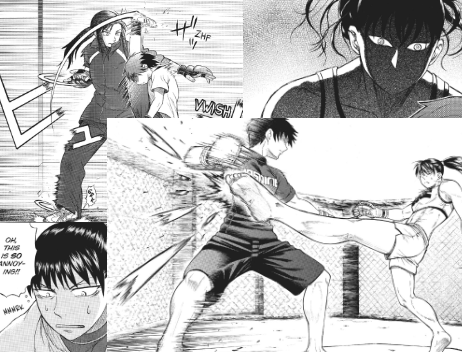
The foundation of any manga lies in its artwork, which can contribute to the work’s themes, characters, and marketability. Art is utilized for all that in Teppu, but Ohta went even further, using its evocative nature as a means to entertain readers by engaging with their emotions. His tight, simple drawings make utilizing it in such a way possible, appearing genuine and lifelike on certain occasions but otherwordly in others. The graphic novel often appears relaxed and easy-going, putting consumers in a distinct calm that makes comedic beats thoroughly enjoyable. Simultaneously, with nothing more than thicker line work and some added physical details, Teppu is afforded an intensity that cuts right to the reader’s heart, manifesting a nervousness or excitement for intense moments such as kinetic fights or pivotal points in a character’s arc. Bringing out these emotions consistently is one of the manga’s biggest strengths, sending readers on an emotional roller coaster every chapter and leaving them plenty entertained.
Dialogue

Dialgoue’s ability to convey emotions and move a plot forward is almost unmatched among storytelling techniques. Ohta takes full advantage of those traits to entertain the readers of Teppu in dramatic and humorous moments alike. His usage of speech is not only fun to witness, though; it’s also extremely understandable; the entertainment factor never gets in the way of developing elements of the narrative.
Comedy
Nothing screams fun like a good joke, and Teppu’s dialogue paves the way for a bevy of those. The way characters speak throughout the graphic novel isn’t outwardly designed to be silly, but rather their manner of speech is evidently casual and deeply telling in most cases. Emotions are laid bare to the audience, even if they aren’t to the cast, and few things are ever made out to be too serious, leading to clear, uncomplicated comedy bits that can consistently get someone to crack a smile. More than that, the emotional core behind those bits conveys many aspects of the characters talking, sublimely expanding on them.
Serious
The same emotional core that enhances comedic bits serves as the backbone to Teppu’s more serious conversations and lines, apparent feelings seeping through the dialogue to create a dramatic air naturally. Through their speech, readers can tell the characters are invested in these moments, inserting a strong believability into them. Because of that, the audience can become engrossed in the narrative themselves, feeling what the cast feels and being entertained through such an intimate understanding of the spectacles they’re witnessing.
Action
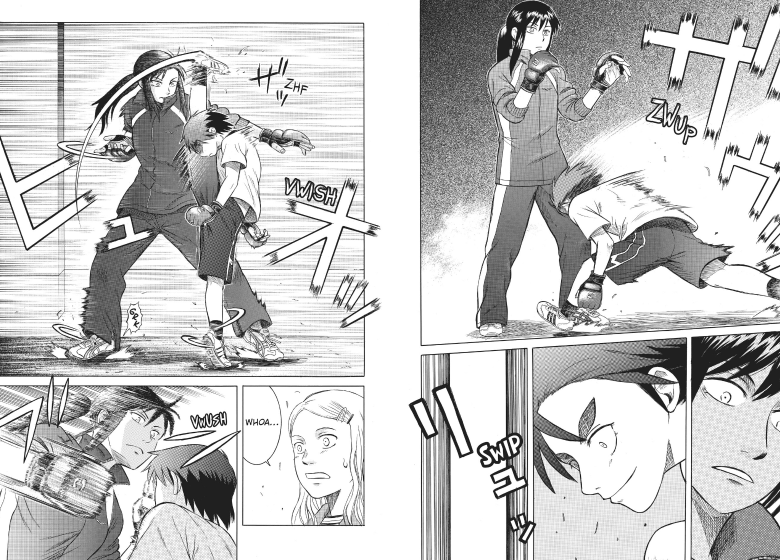
Few things excite quite like an action sequence, their kinetic and intricate nature drawing interest and bringing out a slew of emotions. Teppu hits the mark in that department, taking everything that makes a graphic novel fight interesting and using it to perfection. For instance, action lines are usually used to portray notable attacks in manga. However, Ohta innovates on that practice, turning limbs into blurs often to add necessary nuance to martial arts movements, keeping attacks readable to the uninitiated and thus thoroughly impactful. When he does decide to utilize traditional action lines, though, they’re given this sense of power that always excites. Alternatively, they may also be used to communicate minor body movements.
The techniques seen in Teppu’s action sequences are visual love letters to real-life martial arts, translating all the subtlety of actual takedowns and strikes into beautiful and intricate drawings. The assisting action lines or blurs combine with these authentic moves to insert numerous traits into them, such as speed, forcefulness, etc. The high detail engages and awes the mind, delivering a form of entertainment unique to Teppu.
With masterfully done artwork, strong dialogue, and intricately detailed action, Moare Ohta creates an effective, one-of-a-kind entertainment factor for his manga. He appeals to his readers’ emotions in various ways through those aspects of the work, while going the extra mile to keep those aspects fundamentally functional. Regardless of the medium, doing that is a surefire way to make a genuinely entertaining piece of media, and the quality of Teppu shows the value of that.
 Entertainment Analytical