
At the core of any video game’s gameplay is the toolkit, which is the collective resources and skills players can utilize to overcome the problems presented in the title. While that concept may seem disconnected, the relationship between resources, skills, and the players themselves afford games a unique identity on the mechanical level, separating them from the pack and giving them something to keep people coming back. An effective toolkit yields several boons, contributing plenty to sales and review scores, and by looking into a product containing one, the way to craft it becomes clear. Developer Asobo Studio’s and publisher Focus Entertainment’s A Plague Tale: Requiem (sequel to A Plague Tale: Innocence) is a perfect case study for the concept, its success a byproduct of its expertly made resources and skills. By looking into its toolkit, and what makes it work as well as it does, one can answer the questions: How do you create an effective toolkit in a video game, and why would I want to?
Ability Design in Games
Toolkits are made from players’ abilities in any game, which take the form of resources or skills depending on how they function. Both types have benefits a title can utilize to entertain players and support other elements of itself but to reap those fruits requires a keen understanding of maximizing them. That knowledge is what separates A Plague Tale: Requiem from its contemporaries, as Asobo Studio built its abilities around each other, ensuring no one works to the fullest independently. They bounce off of each other, maximizing their benefits through necessity and incentives.
Resources
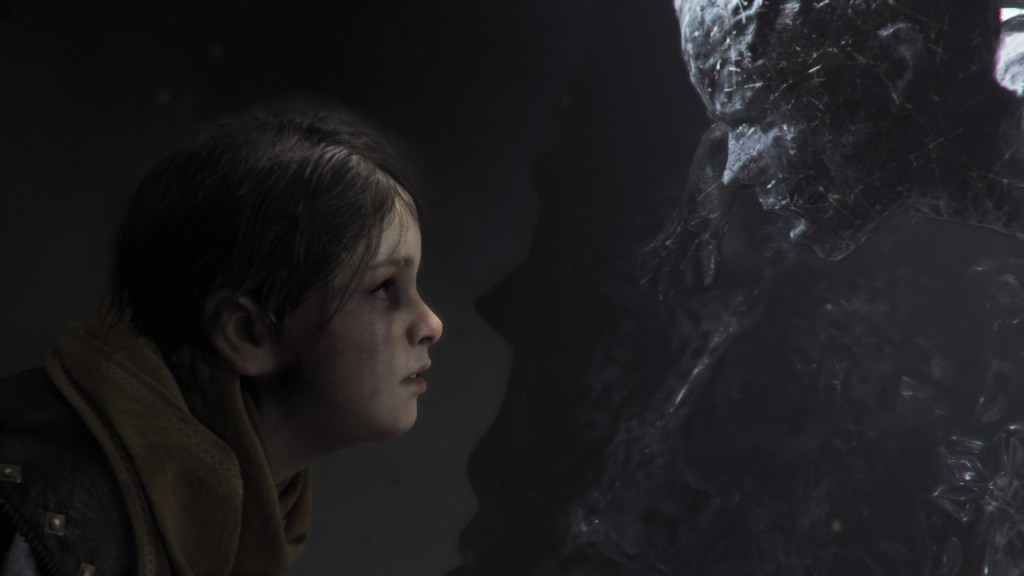
Resources are defined by their finite nature, being usable mechanics or items the player can lose access to briefly (such as ammunition in a shooter) or permanently (such as a Master Ball in Pokemon). With their inclusion in a title also comes the inclusion of resource management, naturally introducing a powerful form of difficulty to the game. Keeping track of valuables and using them wisely is another dimension of hardship, challenging the user’s critical thinking capabilities and leaving them in dire straits if their choices are subpar.
The presence of resources also improves and expands level designs depending on how they work. Given that a title allows players to reobtain them, their placement in an area or the larger world is not only a nice visual touch, but could serve as an incentive to explore certain places. Many games, such as Minecraft or Skyrim, use resources to that end, funneling players into key areas with them or giving them the option to risk a loss of progress to obtain them.
Requiem’s resources make the most of these two boons, existing as both integral parts of level designs and a mental challenge. This is due to their sheer quantity and complexity, with the title containing over 7 of them, all with different effects. More than that, those effects can combine to create new weaponry, navigational tools, etc. Their individual effects and interactions with each other keep solutions to problems unclear, and the number of options at the player’s disposal makes it hard to find the best choices. As brought out in The Decision Lab’s article The Paradox of Choice (and our Inkbound Article), operating with so many options generates some difficulty in the decision-making process, since “having too many choices requires more cognitive effort, leading to decision fatigue and increased regret over the choices we make,” according to the aforementioned source. Simultaneously, the hardship that quantity causes doesn’t take away from the value of any given resource in Requiem, allowing for them to be perfect tools to assist in level design for Asobo Studio. Through chests and loose items, players are incentivized to explore certain areas or go on the correct path.
Skills
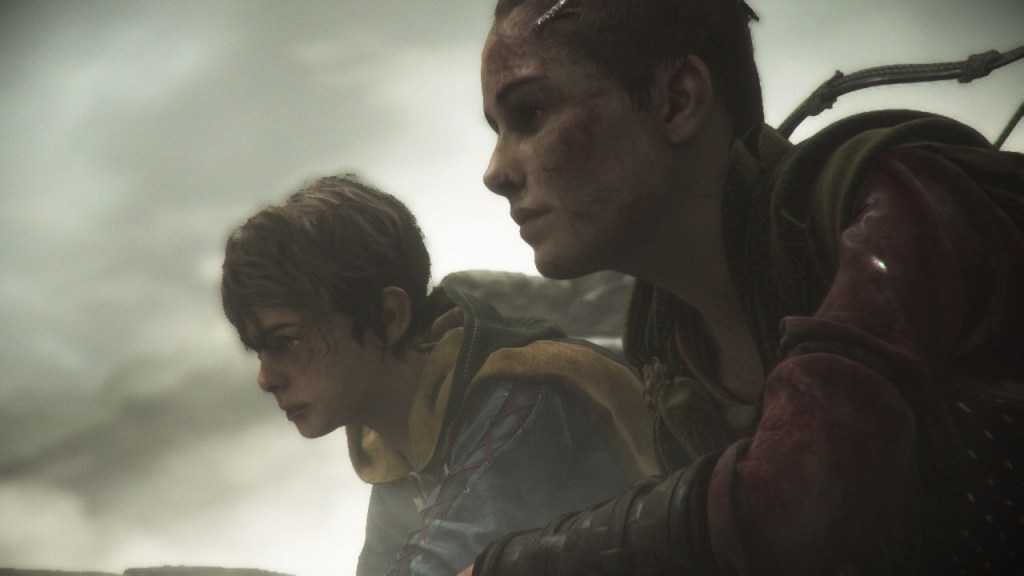
Skills are permanent aspects of the toolkit (such as crouching in Ghost Tsushima) that cannot be taken away from the player, existing as perpetually available items or core gameplay mechanics. In terms of game design, they provide the player with consistent systems to learn and the developer with a foundation for their title, serving as the building blocks of the product.
Additionally, skills are an aspect of any game that players will likely improve on throughout their time playing, helping them feel fulfilled while allowing and sometimes encouraging them to experiment with the toolkit. Experimentation will push the title’s mechanics to the limit, revealing depth in them that even the developers may not have intended to exist, and contributing to a more entertaining experience.
A Plague Tale: Requiem’s skills are excellent in their role as the game’s bricks and mortar, fundamentally simple enough to be applicable in all situations but intricate enough to be hard to master. Everything from its melee attacks to the infinite supply of stones always possesses some usefulness regardless of the problem, especially so once the player fills out the three-pronged skill tree a bit. That baseline power offers a slew of benefits, granting Requiem genuine accessibility and going a long way to prevent frustration. Still, the game’s skills only go from useful to outright strong when they’re used nearly perfectly, which requires experimentation on the player’s part. Testing out the noise and speed of a melee strike, finding the best places to crouch, and seeing how quickly two enemies can be incapacitated with a shot from the sling; information like that is of vital importance in gameplay, and learning it comes down to garnering an understanding of the mechanics, which necessitates problem-solving. This keeps Requiem fulfilling to play throughout its runtime, as problem-solving is a naturally fulfilling task and makes the game overall feel more complete.
Interactions Between Resources and Skills
The two ability types can and often will interact within their own groups through things like Requiem’s resource effect combinations. However, they can also go beyond that; resources and skills can have interactions just as enjoyable as skill-skill interactions or resource-resource interactions. In fact, skill-resource interactions at times serve as big parts of many titles’ gameplay loops, with the combos characteristic of 2D fighters being a prime example of that.
Another good example is, of course, found in the second entry of A Plague Tale. Its focus on combining features is seen to the utmost degree through these mechanical exchanges, where players utilize several parts of the toolkit to get results. Distracting a guard with a thrown stone to quickly hit a knife strike, sensing where enemies are to sneak by them; skill-resource interactions like these serve as the solutions to many of Requiem’s scenarios, functionally blending the benefits offered by the two types individually. They challenge the user to think critically, they require experimentation with skills, and they indirectly incentivize both the collection of resources and the mastery of skills. Necessity and incentivization spread all throughout Requiem’s ability design due to those interactions, maximizing the potency of the boons of resources and skills. Their blended benefits positively impact each other and make for an extremely effective toolkit.
Crafting a great toolkit is no easy feat for a developer, but it can be done by finding a good way to maximize the concept’s benefits. For Requiem, having resources and skills bounce off of themselves and each other worked wonders for gameplay, those interactions also being supported by their being linked to needs or subtly presented incentives. Fundamentally, this can work for any title; including aspects of the toolkit into every scenario keeps it ever present, and by designing it to contribute to things like level design or difficulty, it will become a very effective part of a game.
 Entertainment Analytical
One response to “Crafting an Effective Toolkit in a Video Game: A Plague Tale: Requiem”
Cool post, I subscribed. Have a happy day☘️
LikeLike