
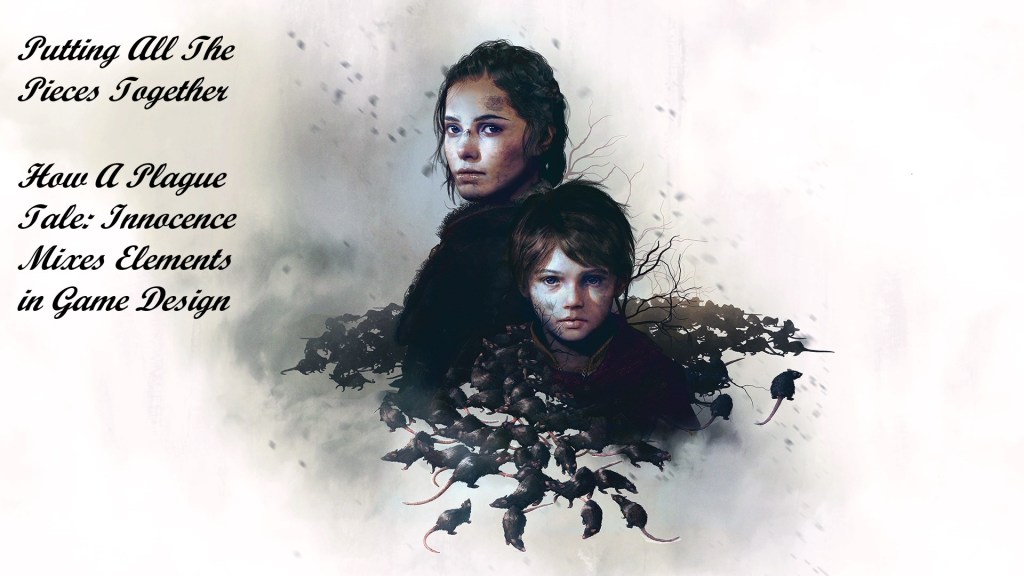
There are many concepts and mechanics that go into designing a video game, but none of them exist in a vacuum. As important as it is to get individual aspects of a game right, mixing elements is just as vital, and failing to do so can obliterate a game’s quality. There are countless examples of that happening, namely Fortnite, which lost its earth-shattering popularity as the high skill ceiling of its building brought down its quality as a shooter (which is why the no-build mode addition was so big for the game). On the flip side, succeeding in combining elements can create a game much greater than the sum of its parts, and there are few games that exemplify that better than Asobo Studio’s “A Plague Tale: Innocence.” This title uses everything about itself, from gameplay to music, to provide a uniquely great gaming experience. Every element of it synergizes to create one of the most impressive story-based games ever.

Story
The element that A Plague Tale: Innocence is built around is undoubtedly its story, which dictates the tone and gameplay scenarios of the game while also serving as a progression incentive. Using a narrative in that way isn’t uncommon for the video game medium, as titles like Xenoblade Chronicles 2 or Metal Gear Solid also use their stories to that end. However, what Asobo didn’t have in innovation, they made up for with striking quality. Innocence doesn’t tackle unique themes, use revolutionary character concepts, feature a ground-breaking plot, or anything of the sort, but rather opts to use understood avenues of storytelling in the best ways possible. Its optimization is brilliant, and it serves to tell a fantastic story.
Characters
Plague Tale thrives, first and foremost, off of its characters and the interactions between them. Their proactiveness is the engine for the plot; their dialogue sets the tone; and their individual stories are the primary progression incentive in the game. Amicia and Hugo De Rune, the two protagonists, set the groundwork for the cast to accomplish those jobs as well as they do.

Starting with Amicia, her drive to find a safe haven from the Inquisition and later a cure for Hugo keeps the game rolling. Her constant activity prevents a stagnant plot and additionally serves as a great way to display her defining courage and perseverance. Furthermore, those traits shine through in her dialogue, making her someone the player is inspired by and wants to root for. Seeing Amicia harden herself into a survivor is an enthralling character arc, and reward enough for seeing the title through to the end. Asobo Studio thought otherwise, though, and included a whole other protagonist for players to enjoy.
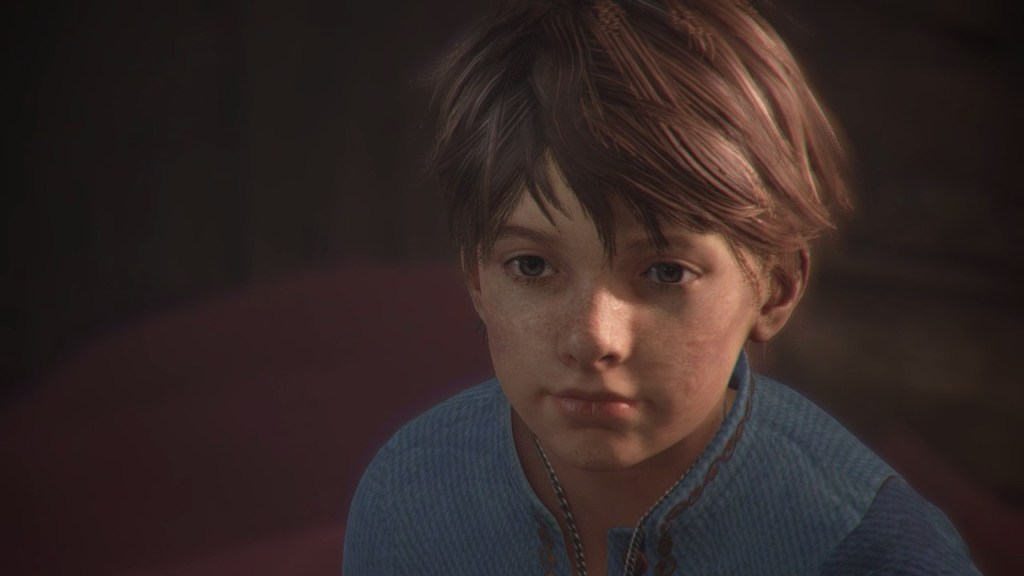
Enter Hugo De Rune, the younger brother of Amicia, who also doubles as an excellently used and written character in his own right. Just as Amicia’s drive moves the plot along, Hugo’s childishness keeps conflict in the plot in both endearing and tragic ways. That same childishness makes his dialogue feel natural, as his childlike wonder with the outside world gets players to truly see him as a younger sibling. His fear of the Inquisition and emotional state throughout the game ensure no unnecessary tonal shift occurs in the story, despite those heartwarming qualities. Hugo’s progression from that scared but innocent child to someone ready to confront the horrors of the world and still find joy is truly powerful, making for another great incentive to complete Innocence.
Both of the De Rune siblings are able to bounce off each other and the rest of the cast, inserting a slew of quality dialogue and character work into the narrative. Because of how proactive the two are as characters, the supporting characters don’t have to do much of the heavy lifting in the plot, freeing them up to serve as more static figures that stop the story from ever moving too fast. All this is to say that A Plague Tale: Innocence is an example of masterful character writing in video games, with the cast enhancing the title as both a game and a story.
Plot
A Plague Tale: Innocence uses the blueprint of a standard adventure game plot and builds upon it to create something much more interesting. Just like anything else in the aforementioned genre, Innocence has its cast travel to an array of different places in search of various things, whether that be shelter, information, a certain person, etc. Where it differs from the norm, however, is with the presence of an ever-present antagonistic force that is just as active as the protagonists, the plot orbiting around their influence on the world.

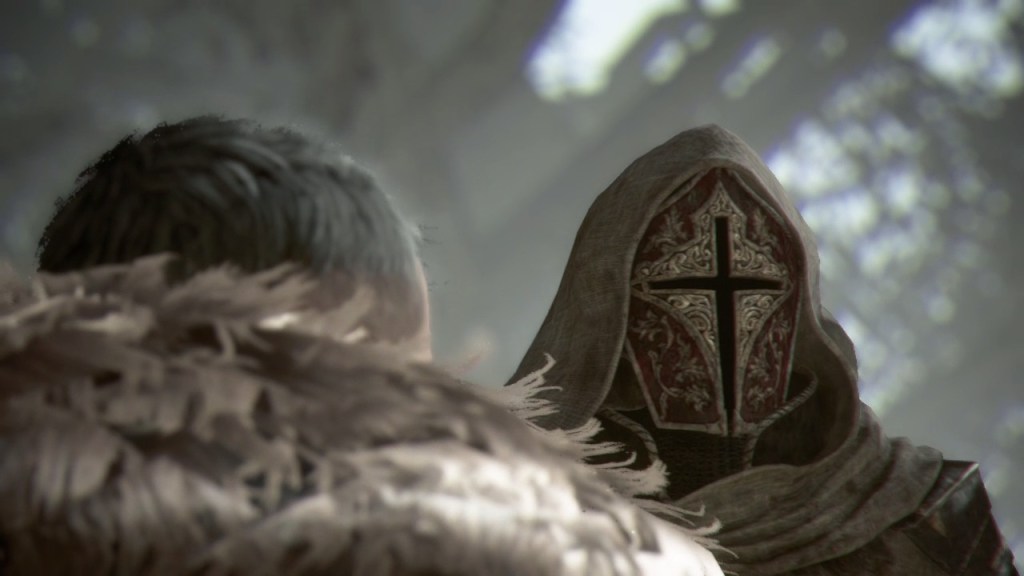
This force is The Inquisition, loosely based on a real-life group of the same name who were active during Innocence’s time period (the 1300s). With the alleged goal of curing and containing the plague, they forcibly clear out cities and leave the sick for dead, assuming that they don’t cut them down themselves. Their hunting down of Hugo makes the whole game make sense, and the mysteries surrounding The Inquisition are infinitely interesting to uncover.

On a more minor note, Innocence also adds to its plot with smaller stories heavily rooted in human elements, like paranoia or ambition, which are present at the very beginning of the game. These expertly establish a dreary, brutal, but still hopeful atmosphere for the game, which constructs the narrative and thematic skeleton for the Inquisition-focused late-game plot points.
Using both The Inquisition and incredibly human, isolated stories, A Plague Tale: Innocence creates something greater out of the run-of-the-mill adventure plot. These elements keep the story naturally flowing, establish engaging mysteries, and enhance the gameplay scenarios the title offers through impactful storytelling and a palpable tone.
Themes

The last big part of how A Plague Tale: Innocence constructs its story is found in its themes. The main themes of the title are family, hope, and trust, all of which are concepts that have been expanded on in many other works. This makes it inherently difficult to send a message that’s original, and that difficulty led to the purest example of Asobo’s storytelling optimization. Innocence uses everything, from its inspirational characters to the dreadful atmosphere its plot creates, to shine a light on every aspect of its primary themes. The development of Amicia and Hugo’s sibling relationship, with them learning to depend on one another emotionally and for physical challenges, displays the value of family. Opening up to and bonding with the friends they meet along their journey exemplifies the idea of building friendships through trust. Finally, the game’s atmosphere combines with its character relationships to convey the message that hope can be found in even the worst of situations. By making the themes of the story so interconnected with its other story aspects, Asobo is able to increase their prevalence and narrative impact through optimization.
Every piece of Innocence’s story fits together to form a great narrative that doubles as an incredibly functional part of the game. Characters incentive progress and move the plot; the Inquisition-centric plot establishes tone and gameplay scenarios, all while the themes permeate through the two aforementioned elements to construct a meaningful tale. Nothing Asobo did here is one-of-a-kind, but they rather examined the appealing aspects of both the adventure and horror genres in order to get the most out of them. The story of A Plague Tale: Innocence is proof of the effectiveness of narrative optimization, with its quality showing exactly why using predetermined concepts to their fullest has created some fantastic stories.
Gameplay
A Plague Tale: Innocence is certainly story-based, but Asobo Studio didn’t slack in the gameplay department. They took the incentives, gameplay scenarios, and tone the story provides and built the title’s gameplay around them. This manifests in the three genres Innocence features: stealth, horror, and adventure. Implementing that trifecta makes for some very immersive gameplay that avoids unintentional ludonarrative dissonance (A disconnect between what a game’s narrative conveys and what happens or is happening in gameplay. EX: A player is tasked with stopping the end of the world, which will happen in two hours time, but they spend ten hours doing quests before completing the task) and instead adds to the story.
Stealth
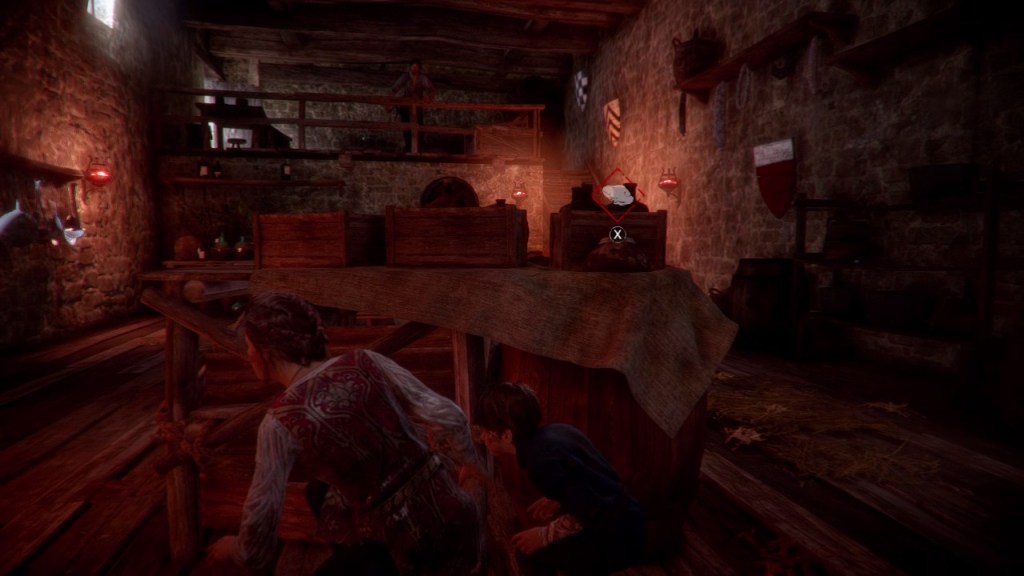
There may be no better example of gameplay boosting the quality of a story than Innocence’s stealth segments. These sections are the most abundant in the game and do a wonderful job of creating immersion because of their almost one-to-one connection with the gameplay scenarios set up by the story. Since much of the conflict in Innocence centers on the protagonists being hunted by the Inquisition, who are a much more powerful group than them, Amicia and Hugo often hide and distract them to survive. As far as excuses for gameplay go, there are few more sensible, and the situations of the characters are more believable and sympathetic as a result. Whether it be in an estate, city, or farm, Asobo always puts players in the shoes of the hunted through stealth gameplay, ensuring that that positive effect is always present.
The stealth sections aren’t just great for their contributions to immersion, though; the actual mechanics governing how the segments function are both solidly polished and quite creative. They’re constructed around the throwing and detection features of Innocence, with the player’s goal being to get past or incapacitate all the enemies in an area largely without being seen, lest they face a game over screen.

Detection is the bedrock of Plague Tale’s stealth, and it’s implemented in a very lifelike fashion. Enemies react to loud noises, have a cone-shaped field of view, and investigate areas that they’ve recently detected something in for forty-five seconds to a full minute. This prevents any confusion in what the player can and can’t get away with, and the realistic feel leads to a lot of tension due to a low margin for error, mirroring the dire straits of the cast.

That more raw and simple emotion focus in these sections is further fleshed out by the throwing mechanics, which are responsible for allowing players to incapacitate threats. These ease some of the stress on players, keeping them more than equipped to survive dangerous encounters if they play their cards right. The many throwable items in Innocence insert strategy through tool usage and positioning, and because of the versatility of those items, experimentation is encouraged. That non-linear approach to throwing also layers on more tension, as the best way to handle a situation is often unclear.
By creating immersion and tense yet open-ended gameplay, A Plague Tale: Innocence’s stealth segments succeed on a storytelling and gameplay front. The creativity in their implementation is striking, and they add plenty to the tale they inhabit.
Horror
*The Following Subsection contains an image that may be disturbing, feel free to skip down to the Adventure subsection if you feel the need to.*
The horror gameplay of Innocence is simultaneously a ubiquitous part of its experience and incredibly understated. The genre of horror in gaming itself is very strange, existing as an amalgamation of movement, puzzles, action sequences, and other minor mechanics all meant to evoke fear within the player. Getting that style of gameplay right is hard to accomplish, which is why so many horror games fail, but Plague Tale’s implementation of it provides a masterful example of how to work within the genre.

A Plague Tale: Innocence bases its horror gameplay around two things: body horror and rats—a lot of rats. Body horror serves to startle and disgust players, with fields of corpses and dying men causing feelings of unease and paranoia to surface in their minds. While never scream-inducing, those feelings naturally mix fear into these segments, further immersing players into the plight of the De Rune siblings as a result. Their vulnerability and confusion are emulated by the consumer’s own experiences with the body horror of the game. That adds to Innocence’s dreadful tone, an atmosphere only further incorporated via rats.
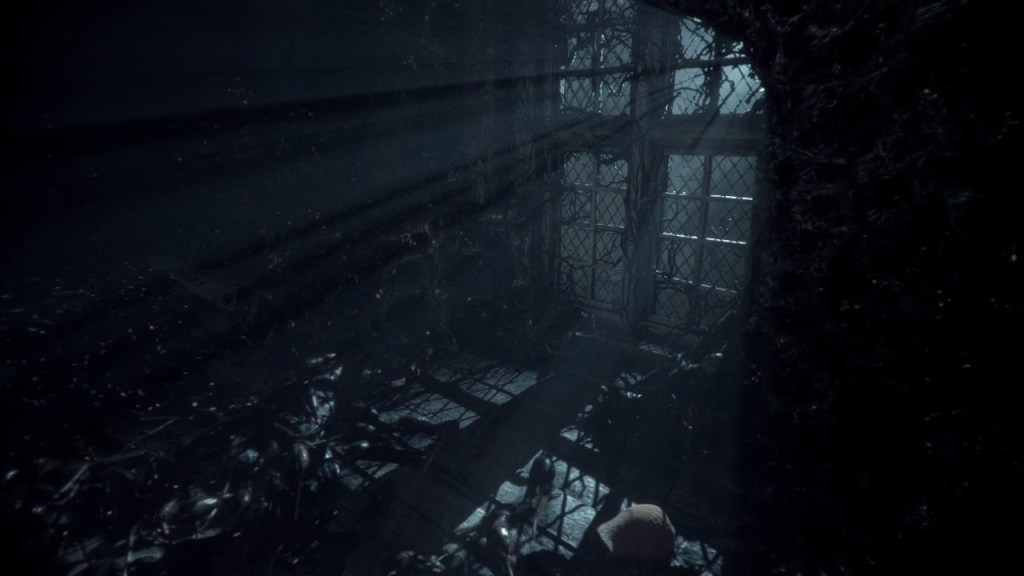
Rats are functionally just an enemy type, but they’re unique in that they appear in heavy swarms and are only truly countered by fire. The avenues to combating them being so limited make them a generally annoying obstacle to encounter, but once enough deaths and near-deaths by their bite are experienced, they go from annoying to terrifying. They leave players with no margin for error in their sections, and being even a bit too gung-ho in rat segments leads to a loss of progress every time. The threat they pose if handled incorrectly once again puts players in the shoes of Hugo and Amicia, racking their brains to figure out how to avoid death at the hands of the rodents. As small as they are, the power of rats in Innocence’s gameplay makes them truly horrific to contend with.
The intense emotions both the body horror and rats of Innocence evoke engross players in the title’s experience just as its story does. The fear the cast feels is validated in gameplay by these segments, obliterating the pitfall of ludonarrative dissonance from the game. More than that, fear causes the suspension of disbelief to last even longer, keeping an authentic feel in the gameplay segments. The way Innocence’s horror sections immerse through gameplay glues other aspects of the title together, bringing the emotional aspects of cutscenes and play together in an ingenious way.
Adventure

The least utilized of A Plague Tale: Innocence’s three genre combination, adventure gameplay is only used in a select few parts of the game. However, those few sections are some of the most memorable players will find in the whole medium, and that’s once again because of how they incorporate emotion into gameplay. Stealth creates tension, and horror creates fear, so something needs to counteract the gloom of those two gameplay segments to keep a dash of hope in the game’s tone. That’s where the adventure sections come in, providing players with small moments of respite where they can admire the brighter parts of the world. In Innocence, the adventure gameplay is effectively just basic movement and maybe a puzzle, but these segments are always inserted after more climactic events to curb boredom in the audience. That placement is bound to cause players to reflect in the quiet moments when they’re walking to a new city or lowering a bridge, considering both the horrors of what they’ve just experienced and also the amount of progress they made in spite of them. It sounds small, but the amount of satisfaction, happiness, and relief the adventure segments create is pivotal to the beautiful tone and excellent gameplay experience of Innocence. Those positive emotions make Plague Tale more than a dark story with darker gameplay, but instead a subtly hopeful narrative built on emotionally charged play segments.
The emotions the gameplay segments weave into A Plague Tale: Innocence support the emotional side of its narrative, cementing a dark yet brightening tone for the game that carries players through it till the end. Additionally, all three genres the title uses are placed and utilized well to give players a genuinely fun and thought-provoking gaming experience. If nothing else, Innocence is living proof that mixing multiple genres in game design can make for a great game and a great story.
Soundtrack
While it may not seem like it at first glance, a video game’s soundtrack is a huge part of its gaming experience. Just like in the medium of film, a good soundtrack can set the tone of a game, get a certain emotion out of the listener, be associated with a certain character, explain a situation, etc. Asobo clearly knew this when developing, because the soundtrack of Innocence does an exemplary job of establishing the tone of many moments, in addition to evoking choice emotions outside of that tone.
For instance, one of the title’s most memorable tracks is the theme for the Inquisition, and this is no surprise to anyone who has heard it. Simply entitled “The Inquisition,” this track’s distorted sound and slow pace manifest into a downright chilling melody, slowly creeping up on the player as they scramble to avoid or battle members of the faction. Anytime it plays, the tone of the game shifts to pure terror, an emotion that is always bolstered by the appearance of the titular Inquisition. It’s a brilliant auditory signal for the antagonistic group because of that tonal impact.
On the opposite end of the emotional spectrum, “Father” is one of the first tracks Plague Tale utilizes, and its mostly warm sound perfectly accompanies Amicia’s conversation with her father that opens the game. It gives players a sense of comfort, displaying the positive relationship Amicia has with her father through song just as the game itself does with dialogue, but its slightly ominous air hints at the darker tone the game soon establishes. These are just some examples of Innocence using its soundtrack to generate emotion that complements gameplay segments, but many other tracks like “The Rats” and “Big Sister” do just the same.
A Plague Tale: Innocence is a jigsaw puzzle of a game, with every little piece of it fitting with another to form a beautiful title. The story, gameplay, and soundtrack all work as one cohesive unit, supporting each other to enhance the quality of the entire product. Mixing elements in that way is what makes Innocence a masterpiece in the medium of gaming, exemplifying good to great game design in every aspect. It’s a truly wonderful title, containing plenty of content to enjoy for players and to dissect for aspiring creators of games and stories alike.


One response to “How A Plague Tale: Innocence Mixes Elements In Game Design”
[…] Developer Asobo Studio’s and publisher Focus Entertainment’s A Plague Tale: Requiem (sequel to A Plague Tale: Innocence) is a perfect case study for the concept, its success a byproduct of its expertly made resources […]
LikeLike